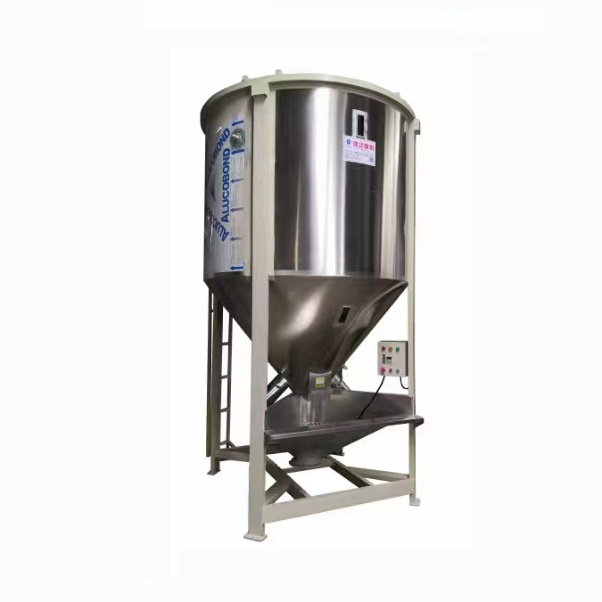
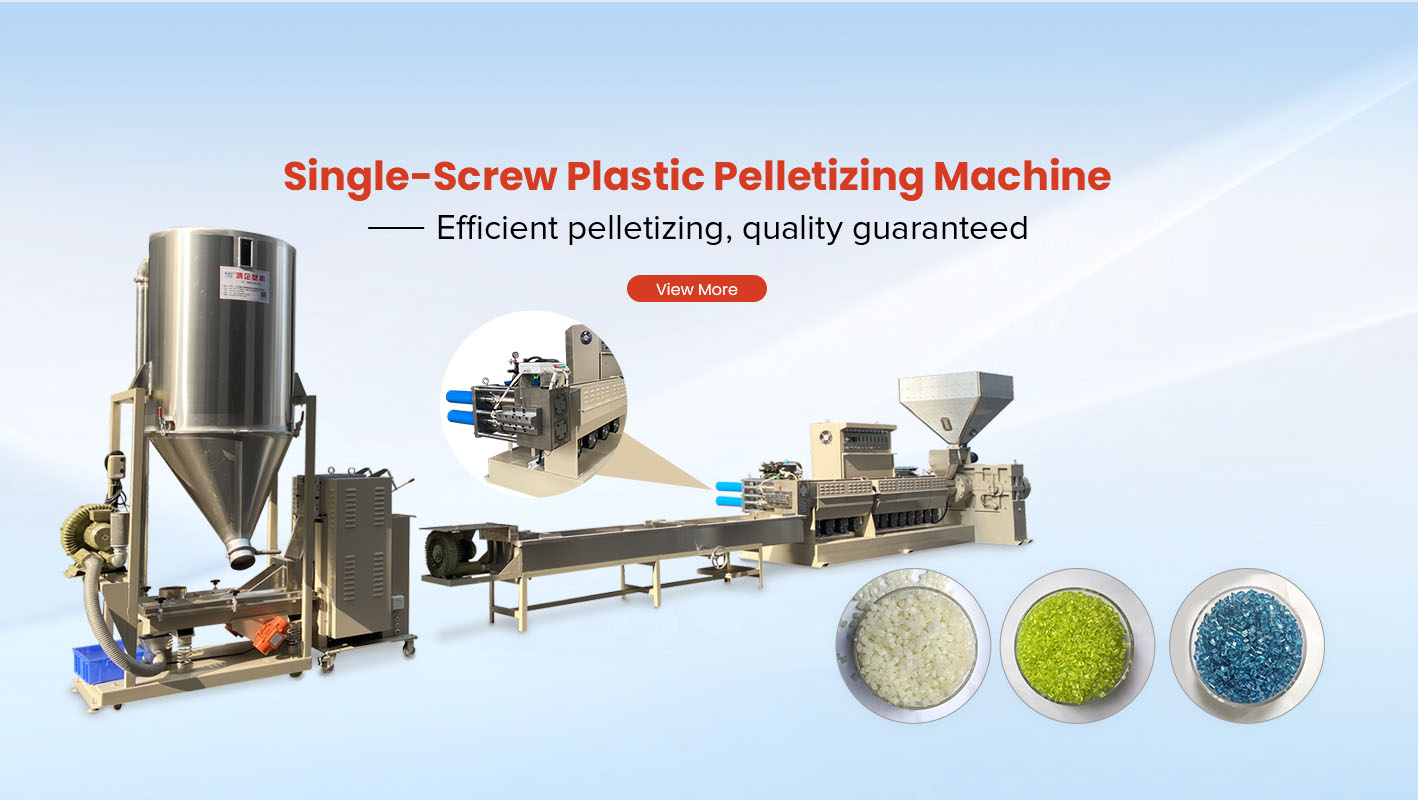
plastic granule mixing machines are central to continuous compounding, pelletizing, and extrusion processes. For bulk manufacturers, industrial distributors, and OEM clients, the feed system directly affects line efficiency and product consistency. Problems with hoppers, augers, valves, or inconsistent material flow can disrupt mixing, reduce output, and compromise batch quality.
Downtime caused by feed system issues is especially costly in high-volume production. Material may not enter the mixer uniformly, leading to uneven blending, rejected batches, or temporary line stoppages. This affects production schedules, delays delivery, and increases labor costs. For importers and distributors managing multiple production lines, feed system reliability is a critical KPI.
Common Causes of Feed System Downtime
Hopper Blockages: Moisture, oversized granules, or improper loading can jam hoppers.
Auger or Screw Misalignment: Worn or misaligned components affect material flow.
Inconsistent Flow Rate: Without proper calibration, some batches may overfill or underfill the mixer.
Material Segregation: Dense fillers, additives, or pigments may settle unevenly, producing inconsistent granules.
Mechanical Wear: Components like augers, bearings, or valves degrade over time, requiring regular maintenance.
These problems increase the risk of downtime, production delays, and inconsistent granule quality.
Impacts on Production and Delivery
Operational challenges caused by feed system issues include:
Reduced daily output due to stoppages
Increased maintenance and repair costs
Inconsistent mixing affecting downstream extrusion or molding quality
Delays in delivering bulk orders to customers or projects
For distributors and OEM buyers, each incident affects both cost and client satisfaction.
Best Practices for B2B Buyers
Buyers can reduce operational risk by:
Inspecting feed system design and compatibility with intended materials
Reviewing maintenance history and test run reports for industrial-scale machines
Ensuring screw/auger alignment and hopper calibration
Confirming material segregation prevention methods for complex blends
Requesting supplier support for on-site commissioning and operator training
Proactive evaluation helps prevent unplanned downtime and protects production schedules.
Reducing Operational Risk
Verify feed system capacity relative to planned output
Ensure Spare Parts availability for continuous operation
Confirm batch uniformity and quality monitoring protocols
Monitor operator adherence to standard procedures
These steps ensure mixing accuracy, minimize downtime, and maintain delivery schedules for bulk orders.
Request Bulk Order Support
We supply plastic granule mixing machines for industrial production lines, OEM clients, and distributors. You can provide:
Target material type and composition
Production line capacity and batch size
Required mixing precision and flow rates
Destination for shipment and installation environment
Our team can review specifications, recommend sample trials, confirm maintenance support, and provide a tailored quotation. For bulk production, OEM lines, or private label compounding, visit HONGQI to submit your inquiry and receive comprehensive support for your plastic granule mixing equipment needs.