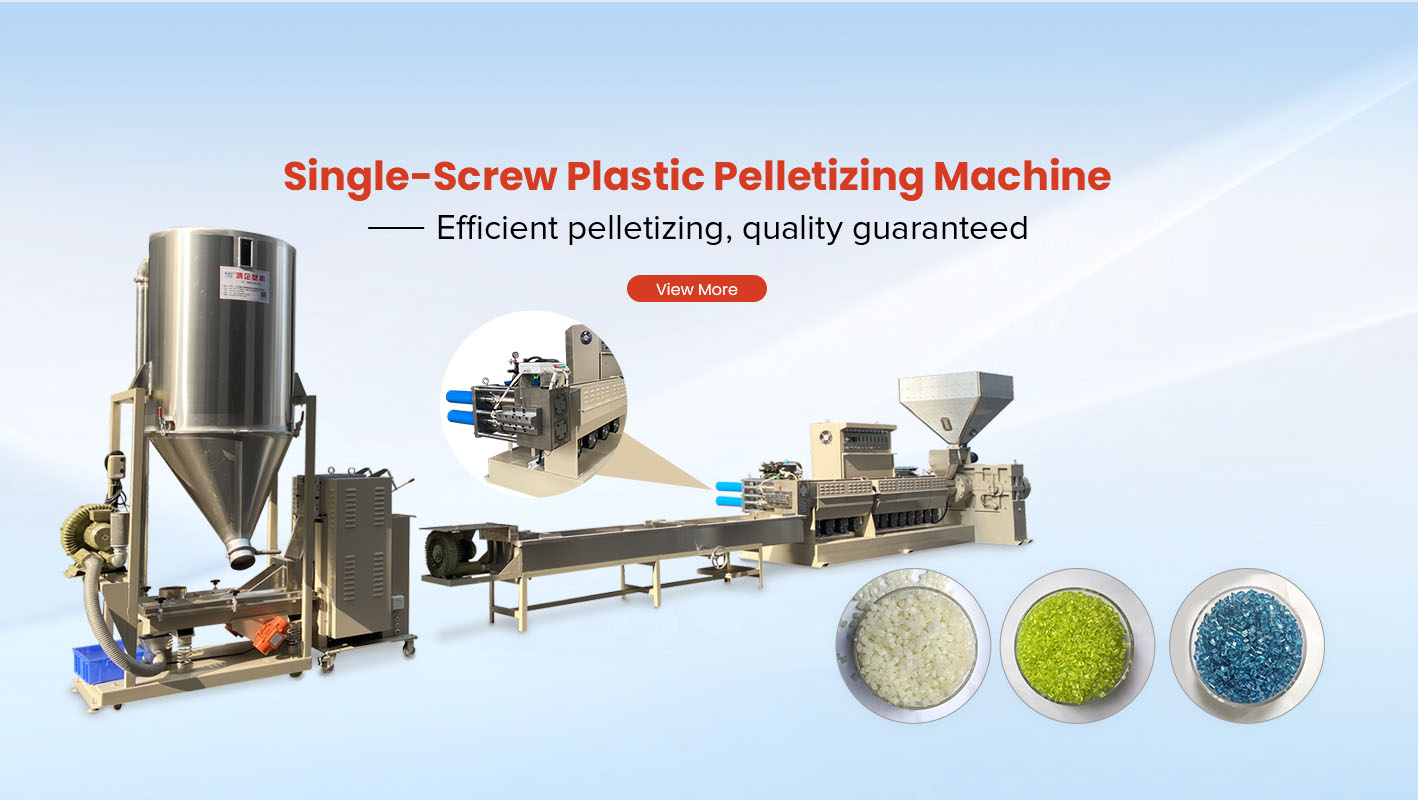
PP plastic, also called polypropylene, is a common thermoplastic material used in packaging, containers, automotive parts, household products, woven bags, caps, medical packaging, and many molded plastic items. It is lightweight, tough, flexible, and resistant to many everyday chemicals.
The letters “PP” are often seen on plastic products with recycling code 5. This code helps identify the material type during sorting and recycling. For consumers, PP is simply one kind of plastic. For manufacturers, PP is an important raw material because it can be melted, processed, shaped, recycled, and pelletized for repeated industrial use.
Why PP Plastic Is Widely Used
PP plastic is popular because it balances cost, performance, and processability. It is lighter than many other plastics, has good fatigue resistance, and can be used in both rigid and flexible products.
Common PP plastic applications include food containers, bottle caps, storage boxes, plastic chairs, buckets, woven sacks, automotive interior parts, appliance components, and disposable packaging items.
This wide use also creates a large amount of PP waste and production scrap, which can often be processed into recycled PP pellets for reuse.
PP Plastic and Recycling
PP is recyclable, but the actual recycling result depends on cleanliness, material purity, color, additives, and contamination level. Clean PP scrap from factories is usually easier to recycle than mixed household waste.
Before PP waste becomes reusable pellets, it usually goes through sorting, crushing, washing, drying, melting, filtering, extrusion, cooling, cutting, and screening.
For factories handling PP recycling, a stable plastic pelletizing machine is important because uneven melting, poor filtration, or unstable cutting can affect pellet quality.
How PP Becomes Plastic Pellets
PP waste or production scrap is first reduced into smaller pieces. After cleaning and drying, the material enters the extruder. Inside the barrel, heat and screw rotation melt and push the plastic forward.
The molten PP is then filtered, extruded through a die, cooled, and cut into pellets. These pellets can be used again in injection molding, extrusion, compounding, or product manufacturing.
Our factory mainly produces single screw plastic pelletizing extrusion machines, twin screw plastic pelletizing extrusion machines, plastic mixers, dewatering machines, Strand Pelletizers, vibrating screens, Screw Conveyors, and related Spare Parts. For PP plastic recycling projects, machine matching should be based on material condition, output target, moisture level, and final pellet use.
Single Screw or Twin Screw for PP?
For many clean PP recycling jobs, a single screw extruder can be a practical choice. It is often used for PP, PE, ABS, and other common plastic recycling and pelletizing needs.
A twin screw extruder is more suitable when the project needs stronger mixing, compounding, additive dispersion, filling modification, or color masterbatch work.
For buyers planning PP plastic pelletizing machine bulk supply or factory line setup, the key is not only the machine price. The feeding system, screw design, heating control, filtering, pelletizing method, cooling, dewatering, and screening should be considered together.
Common PP Pellet Quality Problems
Recycled PP pellets may have quality problems if the process is not controlled well.
Common issues include:
Black spots
Color difference
High moisture
Uneven pellet size
Bubbles
Weak melt strength
Contamination
Dust or fines
Unstable output
These problems often come from poor washing, incomplete drying, worn screws, blocked filters, wrong temperature, or unstable pellet cutting.
Practical Meaning for Buyers
PP plastic is polypropylene, a widely used and recyclable thermoplastic. It can be processed into recycled pellets when the material is sorted, cleaned, dried, melted, filtered, and cut correctly.
For manufacturers, PP recycling is not only a material issue. It is also an equipment issue. A reliable plastic recycling machine supplier should understand the full pelletizing process, not only the extruder body.
PP Pelletizing Line Support
Share your PP material type, scrap condition, output target, moisture level, pellet size requirement, workshop layout, and bulk order plan. We can help match PP plastic pelletizing machines and Auxiliary Equipment for recycling, compounding, and pellet production.