PP plastic with recycling code 5 is often considered more heat-resistant than many other common plastics, but code 5 alone does not automatically mean every PP container is safe for microwave use. The safest answer is to check whether the container is clearly marked as microwave-safe and follow the product instructions.
A plastic item may be made from PP, but its shape, wall thickness, additives, colorants, lid material, and previous use can all affect how it behaves under heat.
What Does 5 PP Mean?
The number 5 recycling code usually means the plastic is polypropylene. PP is used for food containers, takeout boxes, bottle caps, yogurt cups, microwave food trays, and household storage items.
PP can handle higher temperatures than some plastics, which is why it is commonly used in food packaging. However, not every PP product is designed for microwave heating.
Thin packaging, old containers, damaged surfaces, or products without microwave instructions should be treated carefully.
Why Microwave Safety Depends on Design
Microwave heating does not heat all materials evenly. Food with oil, sugar, or dense sauce can become very hot and transfer heat to the container. If the container is too thin or poorly designed, it may warp, soften, or release odor.
A lid may also be made from a different material than the container body. A PP bowl does not mean the lid is also microwave-safe.
Before using any plastic container in a microwave, check symbols, instructions, and product condition.
For Packaging Producers, Material Control Matters
Food packaging manufacturers need stable PP material quality. If recycled PP is used in non-food applications, pellet cleanliness and consistency still matter. If virgin or food-grade PP is used for food packaging, material control becomes even stricter.
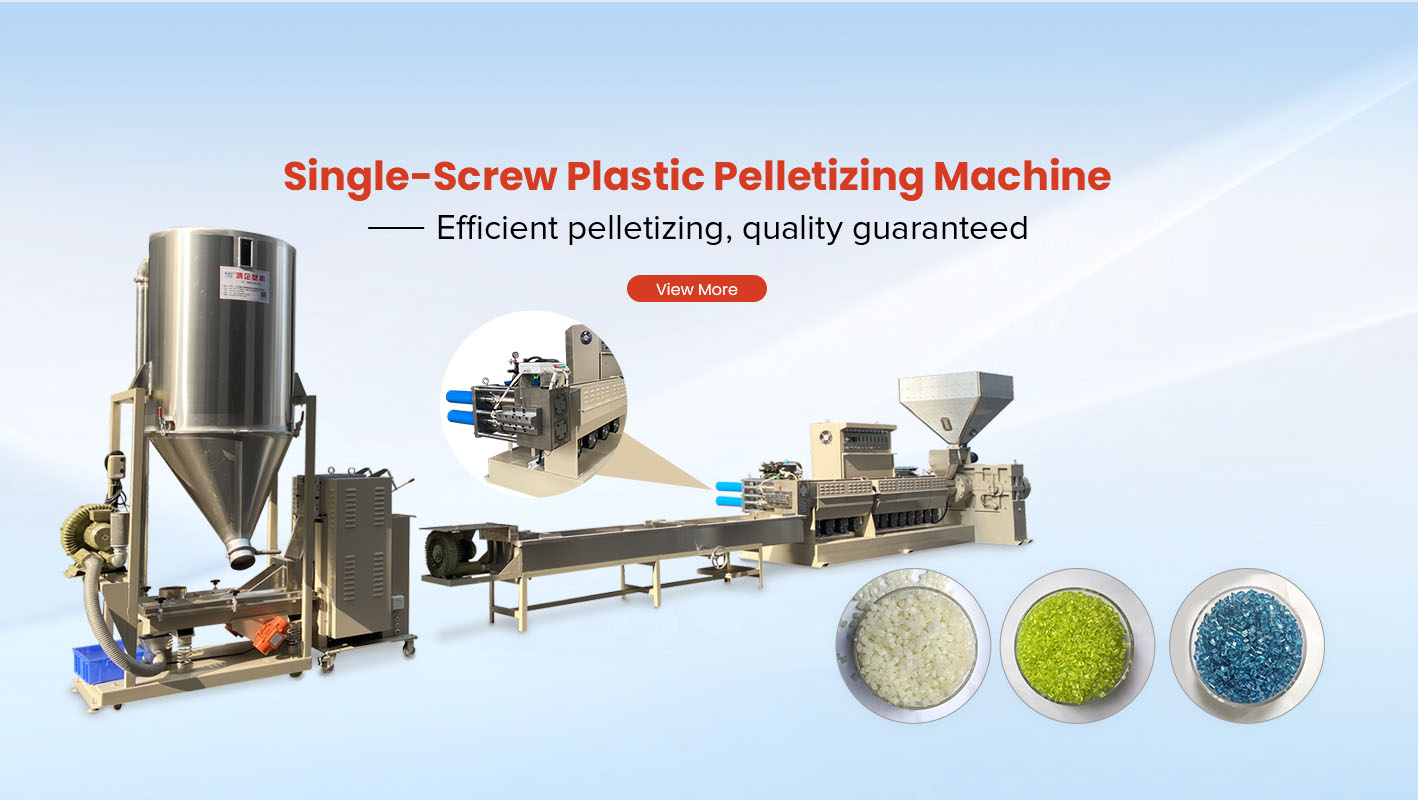
Our factory produces plastic pelletizing extrusion machines and recycling processing equipment for materials such as PP, PE, ABS, PC, PET, PBT, PA, HDPE, LDPE, and PS. For PP recycling lines, we can support single screw pelletizing machines, plastic mixers, dewatering equipment, pelletizers, screens, conveyors, and related components.
For plastic pelletizing machine bulk supply projects, buyers should confirm what kind of PP material they process: clean factory scrap, film, woven bag material, injection scrap, mixed waste, or washed recycled flakes.
What Happens if PP Is Poorly Processed?
If PP recycling or pelletizing is not well controlled, the final pellets may contain moisture, dust, degraded material, color inconsistency, or black spots. These issues can affect downstream molding and product appearance.
For non-food PP products such as storage bins, garden items, hangers, automotive parts, and industrial containers, recycled PP can be useful when quality is stable.
For microwave food-contact products, buyers should follow the relevant food-contact standards and material requirements in their market.
Consumer Use Tips
For daily use, follow these points:
Use only containers marked microwave-safe.
Do not microwave cracked or deformed plastic.
Avoid heating oily food for too long.
Loosen the lid or vent it if instructions allow.
Do not reuse disposable packaging beyond its intended use.
Stop using the container if it smells, warps, or changes color.
These habits reduce unnecessary risk.
Why This Topic Connects to Pellet Quality
Many people ask about PP microwave safety from the consumer side. Manufacturers think further back: what is the PP grade, how stable is the material, how was it processed, and what is the final application?
For PP pellet producers, consistent extrusion temperature, clean filtration, proper dewatering, and stable pelletizing all affect downstream product quality.
As an industrial equipment supplier for plastic pelletizing and recycling lines, our factory helps buyers match equipment according to material type and production purpose.
Clear Answer
5 PP plastic may be microwave-safe only when the product is clearly labeled for microwave use. The recycling number alone is not enough.
For manufacturers, PP material performance depends on resin quality, processing control, product design, and final application requirements.
PP Recycling Equipment Support
Send us your PP material source, target product use, required output, moisture condition, mixing need, and order quantity. We can recommend suitable PP plastic pelletizing machines and supporting recycling equipment for your production line.