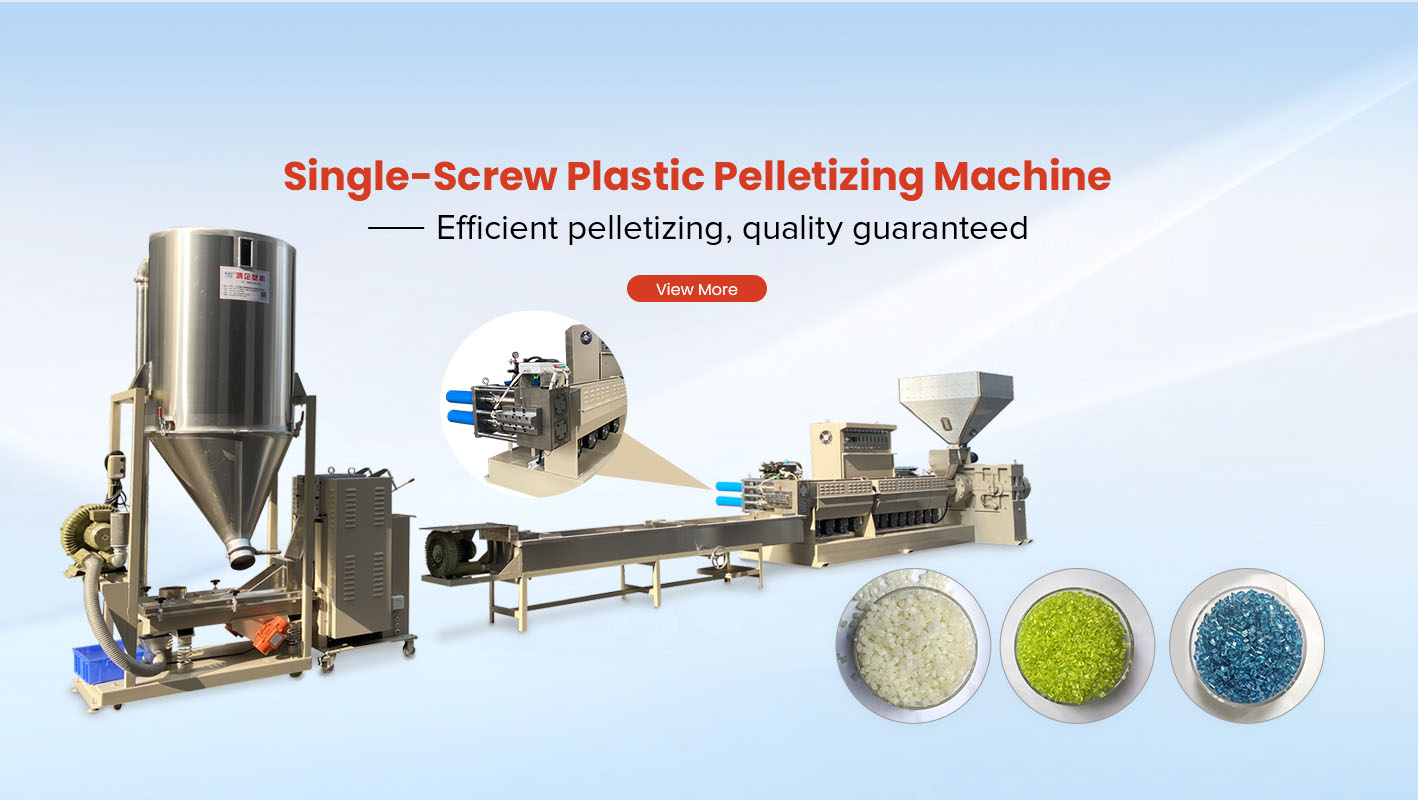
The three common types of mixers used in plastic material preparation are vertical mixers, horizontal ribbon mixers, and plastic color mixers. These categories describe different mixing priorities rather than three completely separate technologies. A color mixer, for example, may use either a vertical or horizontal layout. Buyers comparing a plastic mixer wholesale supplier should first identify the material, batch size, additive ratio, and required production rhythm.
A Vertical Plastic Mixer moves material upward through an internal conveying system before allowing it to return through gravity. Repeated circulation distributes material through a tall chamber.
The design is widely used for plastic pellets, granules, recycled flakes, film material, and other relatively free-flowing feedstocks. Its vertical structure makes efficient use of floor space, particularly when the plant needs to process large batches.
Published vertical mixer models cover capacities from 1,000 kg to 12,000 kg. Main motor power ranges from 4 kW on the HQ-1000 to 18.5 kW on larger configurations. Overall dimensions increase with capacity, so workshop height and installation access must be checked before purchasing.
A forced-feeding system may be added where lightweight plastic flakes, films, sheets, or powder do not enter the mixing chamber consistently. Heating and fan systems are also available for production lines that need mixing and drying in one stage.
Type Two: Horizontal Ribbon Mixers
A horizontal ribbon mixer uses an elongated chamber with a shaft positioned through the material bed. Inner and outer ribbons, paddles, or other mixing elements move ingredients across the chamber.
This produces broad material contact and can be useful for powders, plastic granules, masterbatch, additives, recycled material, and formulations with different bulk densities. The horizontal chamber also offers a lower installation profile than a large vertical mixer.
Published horizontal plastic mixer models include 500 kg, 1,000 kg, 2,000 kg, 3,000 kg, and 5,000 kg capacities. Drive power ranges from 7.5 kW to 30 kW across these models. Heating power is also available where the process requires controlled material temperature.
Horizontal mixers occupy more floor space than vertical models. The buyer should reserve room for the chamber, drive system, inlet, discharge point, access cover, maintenance route, and any connected auger conveyor.
Type Three: Plastic Color Mixers
A plastic color mixer is selected when pigments, color powder, masterbatch, or smaller amounts of additives must be distributed through plastic resin. The objective is to reduce visible color variation and maintain a repeatable formulation between batches.
Color mixers can use a vertical or horizontal structure. A granular vertical color mixer is often used for pellets and masterbatch with relatively good flow. A horizontal color mixer creates broader blade contact and can be useful where powder dispersion requires stronger movement.
Our published horizontal color mixer range includes 50 kg, 100 kg, 150 kg, 200 kg, and 300 kg models. The correct size should be selected from the actual working batch, not simply the largest stated chamber capacity.
Overfilling reduces the free space needed for circulation. Underfilling can also weaken the intended mixing pattern because the material may not contact the blades as designed.
Why Do the Categories Overlap?
Mixer names are often based on more than one feature. “Vertical” and “horizontal” describe the machine layout, while “color mixer” describes the process objective.
A vertical mixer may therefore also be a plastic color mixer. A horizontal ribbon blender may include heating and be used for masterbatch, recycled resin, or powder coating preparation.
The buyer should look beyond the product name and confirm:
This prevents a common purchasing mistake: ordering a machine with the right name but the wrong internal movement for the material.
How Does Material Form Affect the Choice?
Pellets generally flow more predictably than films, flakes, or fine powder. A standard vertical mixer may handle pellets efficiently, while lightweight film could require a forced feeder to prevent unstable loading.
Fine powders may adhere to walls, seals, or other surfaces. They can also behave differently when mixed with larger plastic pellets. Horizontal blade contact may provide better distribution for some powder-rich recipes, but dust collection and sealing also need attention.
Moist regrind introduces another issue. Mixing alone does not guarantee adequate drying. When moisture control is necessary, the buyer should define inlet moisture, required outlet condition, heating temperature, airflow, and residence time.
Batch Mixer or Continuous Line?
Most vertical, horizontal, and color mixers are discussed in terms of batch capacity. The machine receives a measured amount of material, completes a mixing cycle, and discharges it to the next stage.
A larger production line may connect the mixer with an auger conveyor, extruder, cooling tank, pellet cutter, vibrating screen, or storage system. In this case, mixer capacity must match the upstream and downstream throughput.
A very large mixer does not improve production if the discharge or extruder cannot receive material at the same rate. Buffer storage and feeding control may be needed to prevent one machine from waiting for another.
What Should Buyers Ask a Supplier?
A reliable specification should include the resin type, particle form, additive ratio, bulk density, batch weight, mixing target, required cycle time, heating needs, and cleaning frequency.
The plant layout should show available floor area, ceiling height, feeding level, discharge height, electrical supply, and downstream connection. Photos or videos of the actual material can help explain flow behaviour more clearly than a general material name.
As a plastic mixer wholesale supplier, we provide vertical mixers, horizontal mixers, color mixers, forced-feeding configurations, and heating or drying systems. Capacity, chamber size, blade type, heating power, and supporting equipment can be reviewed according to the production line.
Plan Your Mixer Purchase
Share your raw material, additive ratio, target batch size, operating hours, available space, and downstream process. Click here to request a plastic mixer supply quotation, and we will help determine which of the three mixer types fits the application.