

But when that equipment struggles with thick-walled scrap or high-impact polymers, your daily output plummets, turning a supposedly high-capacity recycling line into a frustrating, low-yield money pit that eats up your profit margins.
A plastic dewatering machine helps solve this problem at an early stage. It removes surface moisture from washed plastic materials before they enter drying, storage, extrusion, or pelletizing. For recycling plants that handle PET flakes, PP materials, PE film, HDPE flakes, ABS scraps, or mixed rigid plastics, this step can directly affect daily output and order delivery speed.
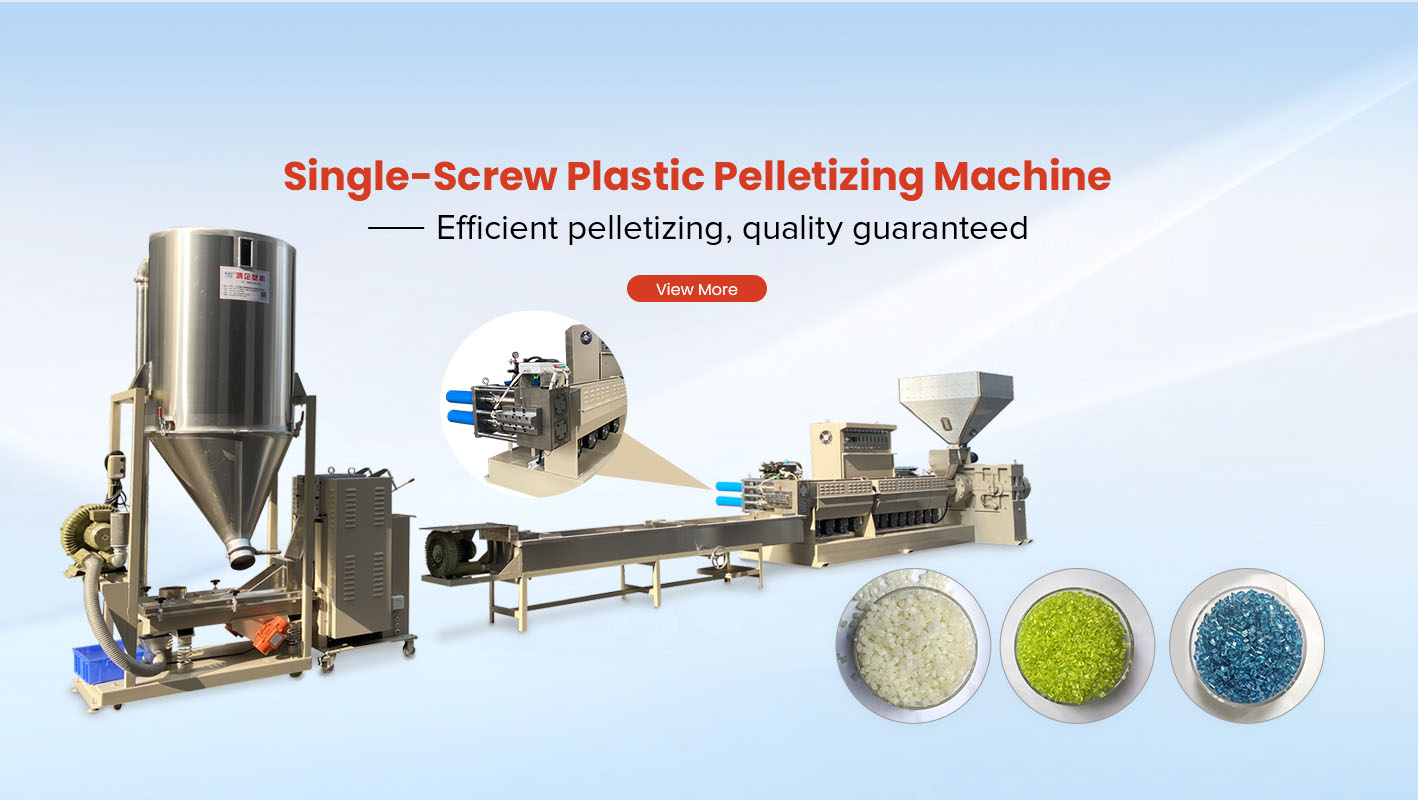
A plastic recycling pelletizing machine can help factories turn suitable plastic waste into pellets that may be reused in production, sold to downstream processors, or supplied to customers who accept recycled engineering plastics.
For buyers comparing plastic recycling machine manufacturers, the most important question should be: can the supplier help turn unstable factory scrap into usable pellets with consistent output, lower contamination risk, and practical after-sales support?
A reliable plastic pelletizing line manufacturer should help buyers confirm the raw material condition, output target, extrusion structure, cooling method, cutting system, screening process, electrical control, spare parts, and installation support.
Plastic scraps are a common challenge in many factories. During injection molding, extrusion, film production, sheet processing, or plastic product manufacturing, leftover edges, rejected parts, crushed materials, and production waste are difficult to avoid.
Stable output is a key factor in plastic recycling extrusion. For factories, unstable extrusion can lead to uneven pellets, higher waste rate, frequent machine adjustment, lower production efficiency, and delayed delivery.
Choosing a plastic extruder machine for factory production should start with one question: what material will you process every day? Different plastics need different screw design, temperature control, filtration, and pelletizing settings.
Cutting stability directly affects output quality, material waste, machine downtime, and delivery efficiency. In plastic pelletizing, rubber processing, strip cutting, and continuous material production, unstable cutting can cause uneven sizes, rough edges, blocked discharge, or repeated machine adjustment.
For plastic processing factories, recycling plants, pelletizing workshops, and material preparation lines, mixer performance affects much more than one production step.
Consistent extrusion output is one of the biggest concerns for factories that produce plastic pellets, sheets, profiles, pipes, films, or recycled plastic materials. When output becomes unstable, the final product may show uneven size, color variation, poor melting, unstable cutting, or fluctuating production capacity.