

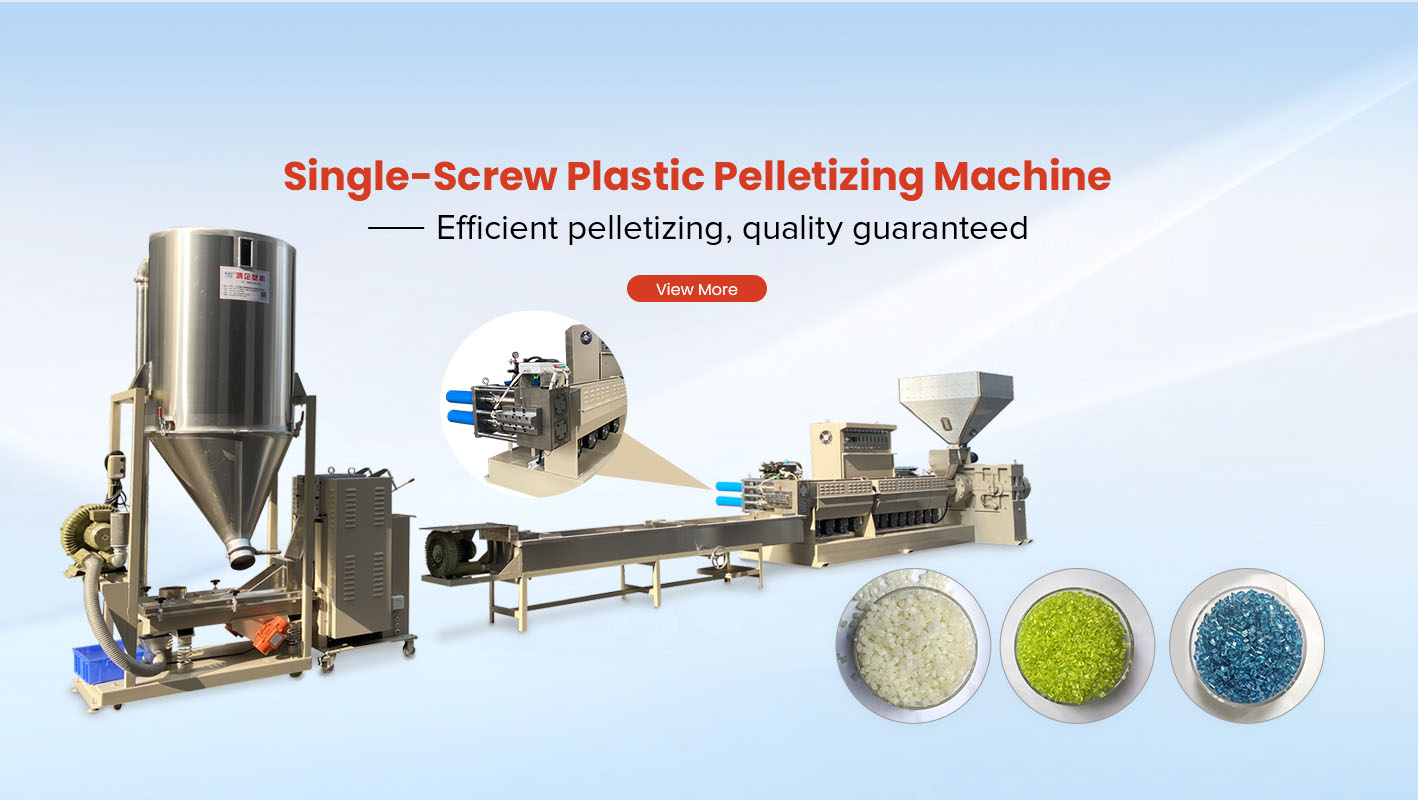
Plastic extrusion is a continuous manufacturing process that turns thermoplastic raw materials into a uniform melt and then pushes that melt through a die or pelletizing head.
Cyanoacrylate is the adhesive family commonly associated with instant glue or super glue.It cures quickly when exposed to small amounts of moisture and can bond plastic surfaces within seconds. Removing it requires patience because the adhesive may be stronger than the plastic finish.
Permanent marker can often be removed from a smooth plastic surface, but the safest method depends on the plastic and its finish.Ink may sit on top of polypropylene, polyethylene, or another non-porous surface. On soft, textured, aged, painted, or transparent plastic, the ink may penetrate scratches or react with the coating.
There is no single standard volume for every plastic water bottle.A small bottle may hold 250 or 330 milliliters, while common retail bottles may contain 500, 600, 750, 1,000, or 1,500 milliliters. The correct amount is printed on the label.
Plastic can be cut with a utility knife, scoring tool, saw, rotary tool, pipe cutter, or industrial shredder. The correct method depends on the plastic type, thickness, shape, and required edge quality.
Water itself does not suddenly become unusable on a specific calendar date. However, bottled water can develop changes in taste, odor, clarity, or packaging condition during long storage.
Downtime caused by feed system issues is especially costly in high-volume production. Material may not enter the mixer uniformly, leading to uneven blending, rejected batches, or temporary line stoppages. This affects production schedules, delays delivery, and increases labor costs.
Even if a batch meets the nominal parameters, variations can occur due to subtle differences in raw materials, pigment dispersion, and residual material from previous batches. A single overlooked factor can result in uneven coloration, affecting aesthetics and functional properties.
For plants processing PET flakes, film waste, bottle material, or mixed plastic streams, a plastic granulating machine must do more than run. It needs to keep stable output across long working hours, handle material changes without frequent shutdowns, and produce pellets that meet downstream processing requirements.
For recycling plants, masterbatch producers, compounding factories, and plastic pelletizing line buyers, a plastic strand pelletizer should not be selected only by capacity. The real question is whether the machine can keep strands feeding smoothly when material behavior is not perfect.
For plastic recycling factories, masterbatch producers, engineering plastic compounders, and pelletizing line investors, a plastic twin screw extruder should not be judged only by output capacity.
Running sensitive engineering plastics through an aggressive, general-purpose setup doesn't just slow you down; it physically ruins the material, smashing high-grade clear polymers into a fractured, dust-heavy mess that compounders will either reject or buy for pennies on the dollar.